Explore Unique Kitchen Cabinets for Your Global Sourcing Needs?
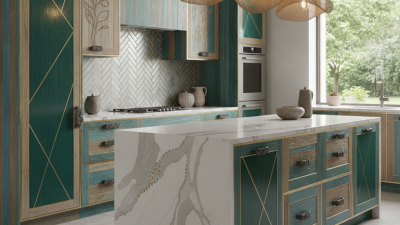
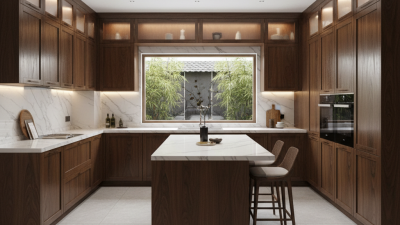
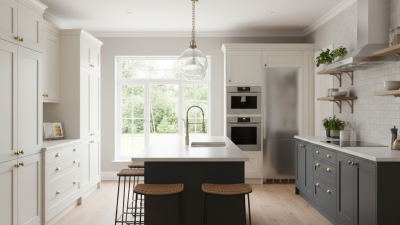
In the world of interior design, the search for "Unique Kitchen Cabinets" has transformed the culinary landscape. Renowned designer Sarah Johnson emphasizes, "Unique Kitchen Cabinets breathe personality into your space." These cabinets are not merely functional; they are statement pieces that reflect individual tastes and styles.
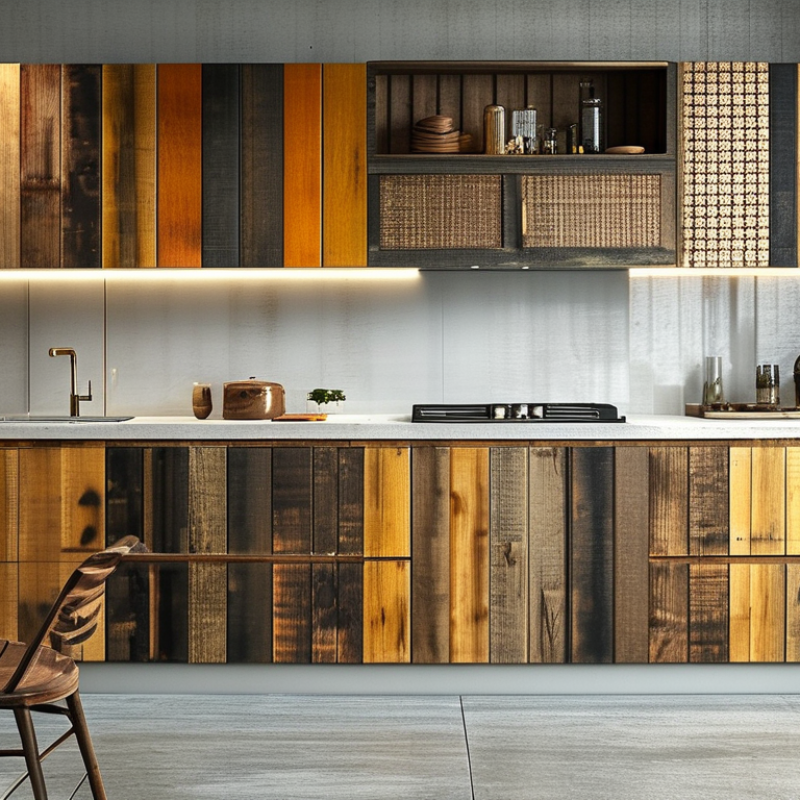
Crafting a stunning kitchen requires thoughtful selection. Unique Kitchen Cabinets can highlight cultural elements or modern aesthetics. Consider cabinets made from reclaimed woods or intricate patterns that evoke a global essence. However, sourcing these can be challenging. Sometimes, the available options may not meet specific design visions.
Despite the growing market, finding truly unique pieces is often a trial and error process. Many suppliers may not offer what is promised. This inconsistency can frustrate designers and homeowners alike. Rigorous research is essential to discover cabinets that resonate with personal style while meeting industry standards. Exploring unique offerings from various suppliers can yield surprising results, providing that extra flair needed in kitchen design.
Understanding the Global Kitchen Cabinet Market Trends and Projections
The global kitchen cabinet market is evolving rapidly. Trends show a strong inclination towards sustainable materials. Consumers are becoming more conscious about what they choose for their homes. This shift is a reflection of broader consumer preferences and environmental concerns.
When sourcing kitchen cabinets, consider local craftsmanship. Utilizing artisans in different regions can provide unique designs and materials. However, evaluating quality is essential. Not all local suppliers maintain the same standards. Research and inspect materials to ensure they meet your expectations.
Tips: Always ask for samples before making bulk orders. This helps gauge quality and design. Communication is key. Articulate your needs clearly to avoid misunderstandings. Stay updated on market trends. Understanding what is desirable can inform your sourcing strategy. Adaptability is crucial as trends change frequently. Embrace flexibility while keeping quality in focus.
Explore Unique Kitchen Cabinets for Your Global Sourcing Needs
| Region |
Market Size (2022) |
Projected Growth Rate (2023-2028) |
Popular Materials |
Trends |
| North America |
$15 billion |
5.2% |
Wood, Plywood, MDF |
Sustainable Designs, Smart Storage Solutions |
| Europe |
$10 billion |
4.8% |
Chipboard, Laminates, Glass |
Minimalist Aesthetics, Customization |
| Asia-Pacific |
$12 billion |
6.5% |
Particle Board, PVC, Steel |
Compact Solutions, Integrated Technology |
| Latin America |
$5 billion |
3.5% |
Wood, Veneer, Bamboo |
Cultural Influences, Eco-friendly Materials |
| Middle East & Africa |
$3 billion |
4.0% |
MDF, Solid Surfaces, Acrylics |
Luxury Finishes, Functional Designs |
Key Materials and Designs in Kitchen Cabinets Across Different Cultures
Kitchen cabinets reflect cultural diversity and design preferences from around the world. In Europe, for instance, you may find
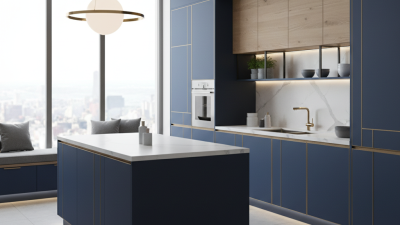
sleek, minimalistic designs favored by Scandinavian countries. These cabinets often use
light woods and neutral colors, promoting a sense of openness. Reports show that 52%
of consumers in these regions prioritize functionality in their kitchen space.
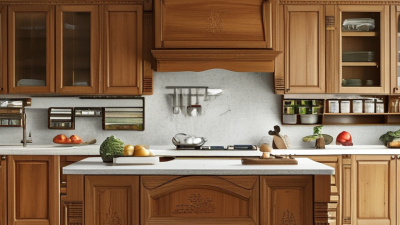
Moving to Asia, large cabinets with intricate carvings are popular in countries like Japan. These designs often
incorporate natural materials and emphasize harmony with nature. A study found that 67% of
Japanese homeowners value aesthetic appeal as much as functionality. Such insights remind us that cultural context shapes
taste and preference significantly.
Tip: When selecting kitchen cabinets for global sourcing, consider the local culture's
aesthetics and functionality needs. This can guide you in making your choices more relevant.
In North America, a mix of rustic and modern elements is prevalent. Warm woods and metallic accents frequently complement
contemporary décor. However, this blend can sometimes lead to design inconsistencies. Reflecting on trends can aid in
aligning your cabinets with market demand.
Tip: Keep an eye on evolving kitchen design trends and consumer preferences in
different regions for better sourcing decisions. This will ensure relevance to current market needs.
Evaluating the Demand for Sustainable Kitchen Cabinets in Global Sourcing
As global awareness about sustainability rises, the demand for eco-friendly kitchen cabinets is also growing. Sourcing options now prioritize materials that are both durable and environmentally responsible. Suppliers are increasingly offering cabinets made from recycled woods and low-VOC finishes. These choices not only reduce carbon footprints but also enhance indoor air quality.
However, the search for sustainable kitchen cabinets isn't always straightforward. Many consumers desire aesthetic appeal, yet eco-friendly options may sometimes lack variety in designs. Those responsible for sourcing must balance aesthetics with environmental impact. This challenge requires innovative thinking and collaboration with designers to meet both needs effectively.
Additionally, understanding local preferences can be tricky. What works in one region might not resonate in another. Conducting market research becomes essential. Conversations with contractors, designers, and end-users can provide valuable insights into the specific demands of different markets. Embracing feedback can lead to improvements and ensure that the products sourced truly meet global expectations.
Comparative Analysis of Kitchen Cabinet Manufacturers by Region and Capability
When considering global sourcing for kitchen cabinets, it's crucial to analyze manufacturers by region and capability. Each region offers unique designs, materials, and manufacturing processes. For example, European manufacturers often focus on sustainable materials and minimalistic designs. In contrast, manufacturers from Asia may emphasize cost-effectiveness and high-volume production.
A comparative analysis reveals variability in craftsmanship and innovation. Some regions excel in traditional hand-crafted techniques, creating bespoke solutions. Others leverage advanced technology for efficiency. However, quality control can be a concern in high-output regions. This can lead to inconsistent product quality, requiring thorough vetting of suppliers.
Ultimately, sourcing kitchen cabinets involves understanding diverse regional strengths and weaknesses. The right choice often hinges on balancing quality, design, and cost. However, with so many options available, careful consideration and a detailed analysis are essential. Your project might benefit from a blend of styles from different regions, though it requires thoughtful integration and planning.
Critical Factors for Sourcing Unique Kitchen Cabinets for International Markets
When sourcing unique kitchen cabinets for international markets, several critical factors come into play. Understanding local trends and cultural preferences is essential. Each region has distinct design aesthetics that could influence sales. Researching these nuances can guide your choices effectively.
Quality is paramount. Ensure that the materials used are durable and suit different climates. Test samples to evaluate their resilience. Consider the cabinetry's finish as it can impact both appearance and longevity. Avoid sourcing from manufacturers who don’t provide transparency about their production processes.
Tips for sourcing: Engage with local designers to get insights into popular styles. This can inform your selections and provide a competitive edge. Attend international trade shows to network and discover potential suppliers. Keep an eye on customer reviews and market feedback. This can help identify what works and what doesn’t.
Be aware of potential pitfalls. Sometimes, trending designs in one area may not resonate elsewhere. Stay adaptable and willing to rethink your strategies as trends evolve. Learning from past experiences can sharpen your sourcing skills for future projects.