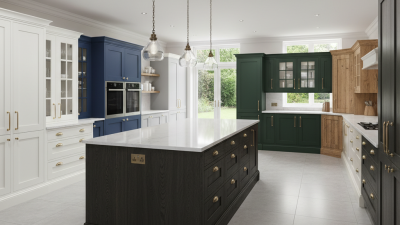
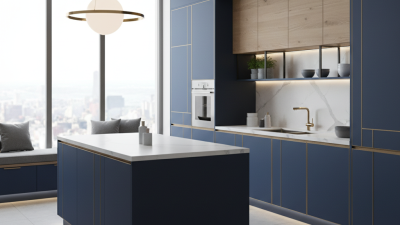
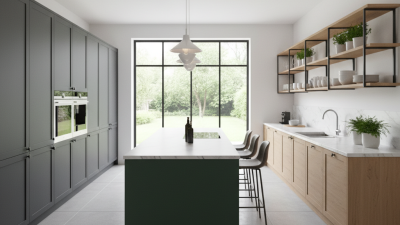
2026 Best Unique Kitchen Cabinets Ideas for Every Home
The kitchen is the heart of every home, and the cabinets are its focal point. Unique kitchen cabinets can transform your cooking space into a reflection of your personal style. They provide not just functionality but also express creativity. From bold colors to elegant materials, the possibilities are endless.
Exploring unique kitchen cabinets allows homeowners to step away from the ordinary. Consider cabinets that tell a story, echoing your journey. Each choice can highlight a blend of tradition and trend. However, some ideas may feel overwhelming or even impractical. It's essential to balance what looks good with what works well in your space.
Understanding your needs is essential for selecting unique kitchen cabinets. What complements your kitchen layout? Are the designs functional? Reflecting on these questions can help avoid costly mistakes. Embracing the idea of unique cabinets also means embracing both success and challenges. The search for aesthetic appeal should be both enjoyable and thoughtful.
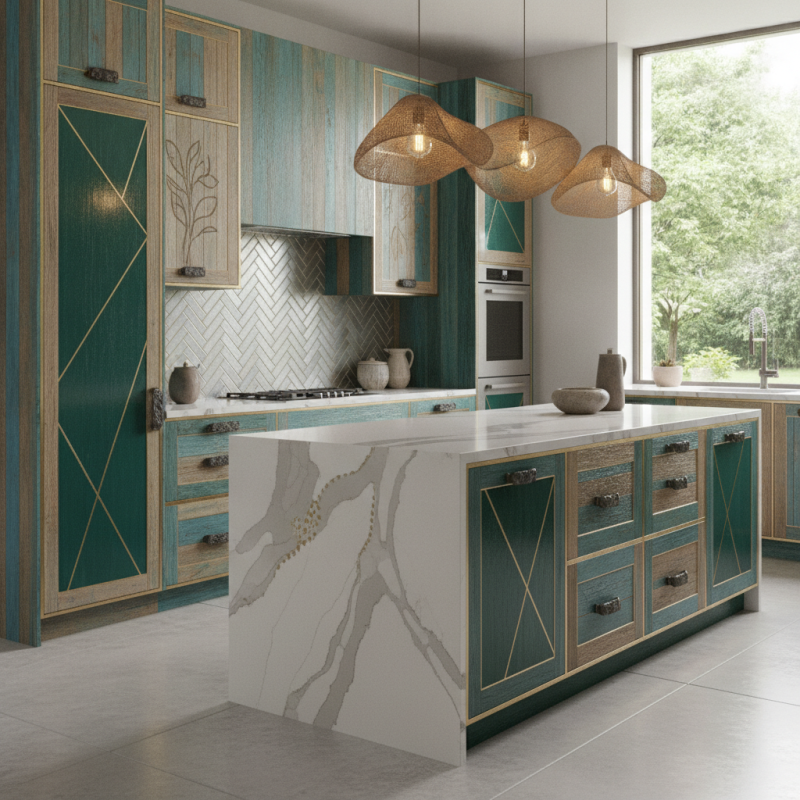
2026 Trends in Unique Kitchen Cabinets: A Comprehensive Overview
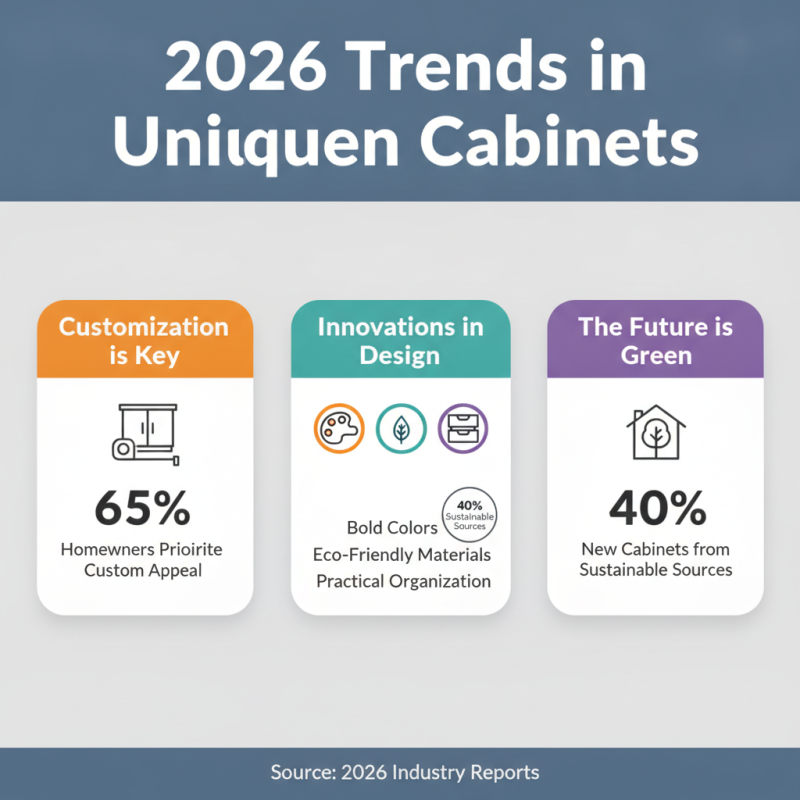
The kitchen remains the heart of the home, making unique cabinets an essential design element. According to industry reports, 65% of homeowners prioritize custom cabinetry for its tailored appeal. In 2026, trends highlight bold colors, innovative materials, and practical organization as key features in kitchen cabinets. The rise of eco-friendly materials has gained traction, with 40% of new cabinets being made from sustainable sources.
Tip: Consider using contrasting colors to make your kitchen stand out. Vibrant hues can create an inviting atmosphere. However, balance is crucial; too many shades may overwhelm the space.
Functionality also shines in current trends. Drawer organizers and pull-out systems enhance efficiency. A study indicated that 70% of homeowners find storage solutions are critical in cabinet purchases. This influences how space is utilized.
Tip: Don’t shy away from non-traditional layouts. Open shelving or glass-front cabinets can break monotony. Remember, creating a unique look may require more thought upfront. Evaluate your needs before settling on a design.
The Impact of Material Choices on Kitchen Cabinet Durability and Style
Choosing the right materials for kitchen cabinets is vital for both durability and style. Wood, for example, offers warmth and a timeless look. It can withstand wear, but it requires regular maintenance. Veneered or laminated surfaces may be more affordable, yet they lack the longevity of solid wood. Remember, these choices impact not just aesthetics but practicality.
Metal is increasingly popular in modern kitchens. It is durable and easy to clean. However, it can create a cold atmosphere if overused. There’s also the challenge of fingerprints on stainless steel. Glass fronts add a sophisticated touch. While they make a space feel open, they can show dust quickly. Balance is key when mixing materials.
Engaging with various textures can transform your kitchen. Consider combining different types to create depth. Reflect on the colors, too. Dark or bold shades may hide scuffs, but light hues can brighten the space. Your choices should align with your lifestyle. Will kids be using the kitchen often? Select materials that can handle everyday wear and tear.
Color Psychology in Kitchen Cabinet Design: Creating the Perfect Environment
When designing kitchen cabinets, color plays a significant role in influencing mood. Warm colors like red and orange stimulate appetite and energy. In contrast, cooler shades such as blue and green promote tranquility and relaxation. Choosing the right color can create the perfect environment for cooking and dining.
Tips for color selection: Consider how much natural light your kitchen receives. Light colors reflect more light, making small spaces appear larger. Dark colors can add depth but may overwhelm small kitchens. Combining bright accents with neutral cabinets often balances space beautifully.
Don’t overlook personal preferences. A color may be trendy but feel wrong in your space. Experiment with swatches on the wall before making a commitment. Mistakes in color can lead to regret, and repainting can be costly. Reflecting on personal style is essential to creating a space that feels harmonious and individual.
Innovative Storage Solutions: Maximizing Space with Unique Cabinet Designs
In modern kitchen design, unique cabinet ideas play a vital role. With innovative storage solutions, homeowners can maximize space, enhancing both functionality and style. A recent industry report from the National Kitchen and Bath Association indicates that effective storage can increase a kitchen's usability by over 30%. This is crucial for small homes where every inch counts.
Consider vertical cabinets reaching up to the ceiling. This design not only provides more storage but also draws the eye upward, making kitchens feel larger. Open shelving is another trend. It allows for easy access but can also lead to clutter if not managed properly. It's essential to balance style with practicality.
Tips: Use dividers within drawers to keep items organized. Avoid overcrowding shelves to maintain a clean look. Remember, the key to effective storage is not just about having space, but utilizing it wisely.
Utilizing pull-out shelves can be a game-changer for corner cabinets. These solutions help access hard-to-reach areas, maximizing every square foot. However, some homeowners find that these mechanisms can be tricky and require maintenance. Regular checks can prevent annoying jams. Balancing aesthetics and usability is vital in any kitchen remodel. Making thoughtful choices can lead to a harmonious and efficient kitchen space.
Sustainable Kitchen Cabinets: Combining Style with Eco-Friendly Choices
Sustainable kitchen cabinets are becoming essential for modern homes. Homeowners prioritize eco-friendly materials that reduce environmental impact. According to a report by the Sustainable Furnishings Council, more than 70% of consumers prefer products made from renewable resources. This shift highlights the growing demand for cabinets that merge style with sustainability.
Natural wood and recycled materials are excellent choices. Cabinets made from bamboo or reclaimed wood not only look stunning but also minimize deforestation. These materials often come with certifications, assuring quality and eco-friendliness. While they may initially cost more, their longevity and reduced environmental footprint often outweigh the investment.
**Tips:** Choose cabinets with low-VOC finishes. This can improve indoor air quality. Consider local manufacturers to reduce carbon footprints associated with transportation. Reflect on the lifespan of your cabinets; opting for durable materials can lead to less waste over time.
2026 Best Unique Kitchen Cabinets Ideas for Every Home - Sustainable Kitchen Cabinets: Combining Style with Eco-Friendly Choices
| Cabinet Style |
Material |
Eco-Friendly Feature |
Color Palette |
Price Range |
| Shaker |
Bamboo |
Reclaimed Wood |
Earth Tones |
$3,000 - $4,500 |
| Modern |
Recycled Metal |
Low-VOC Finishes |
Monochrome |
$4,000 - $6,000 |
| Rustic |
FSC-Certified Wood |
Natural Stains |
Warm Hues |
$2,500 - $4,000 |
| Industrial |
Plywood |
Sustainable Veneer |
Gray and Black |
$3,500 - $5,500 |
| Traditional |
Maple |
Non-Toxic Sealants |
Classic White |
$3,000 - $4,500 |