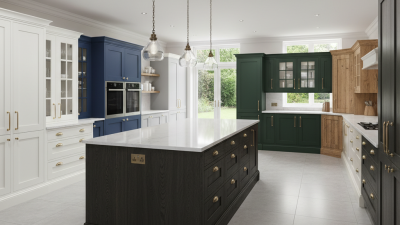
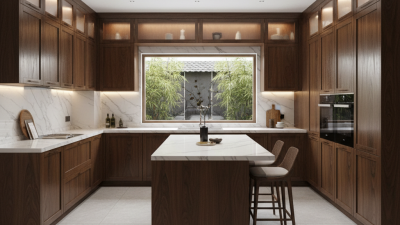
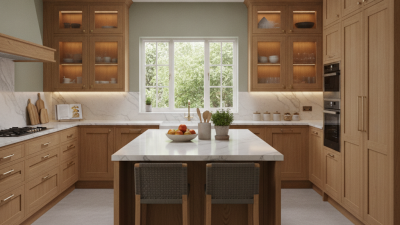
China Top Unique Kitchen Cabinets Designs for Your Home Upgrade Ideas?
When it comes to kitchen design, unique kitchen cabinets can bring a fresh look to any home. They offer functionality while showcasing personal style. In China, innovative designs capture attention with their artistic flair and smart use of space.
Homeowners are increasingly seeking cabinets that resonate with their identity. Customized options allow for creative expression, blending traditional craftsmanship with modern aesthetics. Unique kitchen cabinets can transform an ordinary kitchen into a culinary oasis. The materials and finishes play a crucial role in the overall appeal.
However, it’s essential to strike a balance between style and practicality. Home upgrades should enhance the overall flow of the space. Consider the benefits of different designs, but be mindful of their functionality. Reflecting on these choices ensures that the kitchen remains not just beautiful, but also a place for cherished moments.
China's Trending Kitchen Cabinet Designs for Modern Homes
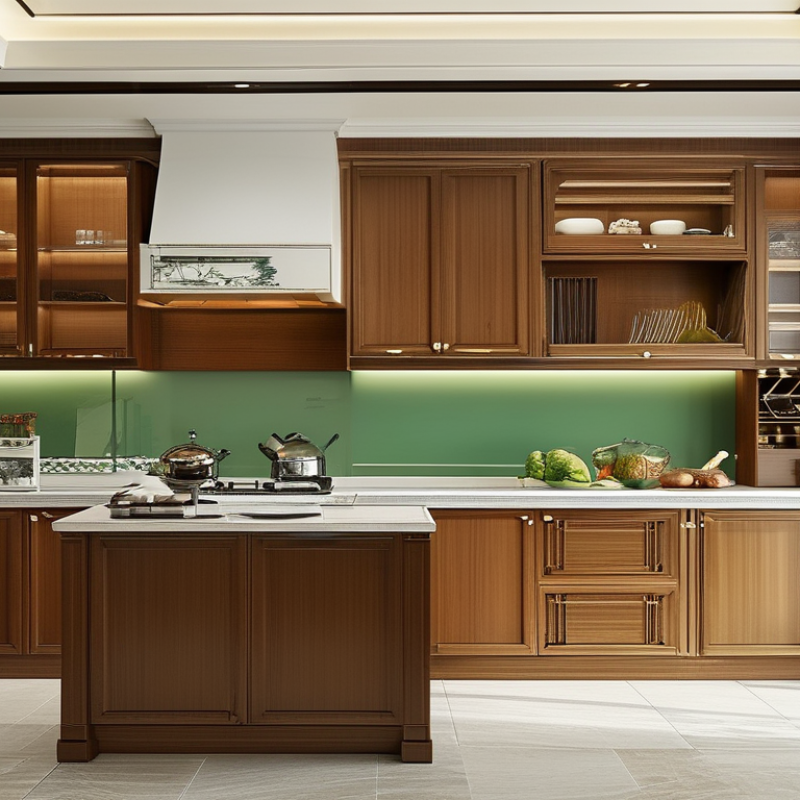
When it comes to modern homes, kitchen cabinets play a vital role in both aesthetics and functionality. China's trending designs bring innovation and style to every kitchen. Many homeowners are opting for sleek, minimalist cabinets that maximize space while offering a contemporary look. These designs often feature eco-friendly materials, showcasing sustainability in every aspect.
Open shelving is becoming increasingly popular in kitchen layouts. It allows for easy access to dishware while also displaying decorative items. However, maintaining organized shelves can be challenging. It requires regular tidying and a keen eye for presentation. This blend of function and form creates a unique kitchen atmosphere but can lead to clutter if not managed well.
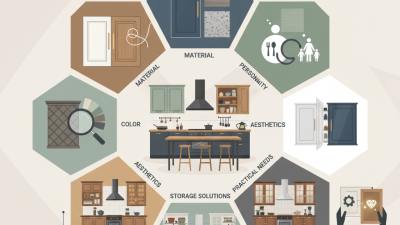
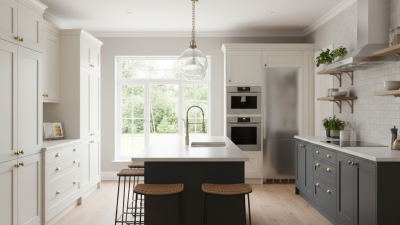
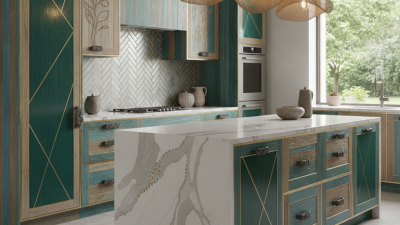
Additionally, customizing cabinet colors adds personality to the kitchen. Soft pastels and bold hues can transform the entire space. But, choosing the right color palette can be tricky. Trends come and go; what excites one homeowner may not resonate with another. Striking the right balance between trendy and timeless is crucial for lasting appeal.
Materials and Finishes Influencing Kitchen Cabinet Aesthetics in China
When designing a kitchen, the materials and finishes you choose for your cabinets greatly influence aesthetics. In China, various materials are available, from traditional wooden finishes to modern high-gloss laminates. Each option offers a unique feel and functionality in your space. For instance, natural wood gives warmth, while laminates can create a sleek, contemporary look.
Using high-quality materials is essential for durability. However, inexpensive options might sacrifice longevity and feel. Think about textures and colors too. A textured finish can add depth to your kitchen, making it more inviting. You might also consider mixing materials, such as pairing wooden cabinets with metal handles for a modern twist.
Tips: Choose materials that suit your lifestyle. If you have kids, opt for finishes that resist scratches and stains. Reflect on how often you cook. Some finishes are easier to clean than others. Lighting is also crucial; ensure your cabinet colors complement your light fixtures for a harmonious look.
China Top Unique Kitchen Cabinets Designs
Innovative Storage Solutions in Contemporary Chinese Kitchen Cabinets
Innovative storage solutions are essential in contemporary Chinese kitchen cabinet designs.
Chinese kitchens often prioritize functionality and aesthetics.
Many designs incorporate modular elements. These allow for personalization and adaptability in storage.
According to a 2022 industry report, around 75% of homebuyers look for smart storage options when choosing kitchen designs.
One popular trend is the use of pull-out drawers and hidden compartments.
They maximize space in small kitchens, which is a common issue in urban areas.
The focus on vertical storage also helps. It ensures easy access to frequently used items while keeping countertops clutter-free.
However, it is vital to balance innovation with accessibility. If storage solutions are complex, they may lead to frustration.
Additionally, materials play a significant role in the design.
Eco-friendly options are increasingly sought after. They not only reduce environmental impact but also enhance overall aesthetics.
A recent survey revealed that 60% of consumers prefer sustainable materials in their kitchen renovations.
Despite these trends, some designs may not cater to diverse cooking styles.
This limitation can be an area for improvement, as every home has unique needs.
Sustainable Practices in Kitchen Cabinet Manufacturing in China
Sustainable practices in kitchen cabinet manufacturing are gaining traction in China. Many companies are focusing on eco-friendly materials. This trend not only minimizes environmental impact but also meets consumer demand for sustainability. Bamboo and reclaimed wood are popular choices. These materials are durable and have a lower carbon footprint.
Creating stylish cabinets doesn't have to come at the expense of the environment. Tips for choosing sustainable options include researching local suppliers. Look for certifications that indicate responsible sourcing. Also, consider modular designs. They reduce waste during production and give flexibility in layout.
It's worth acknowledging that not all manufacturers adhere to these practices. Some may offer misleading claims about sustainability. Always verify their processes and materials used. Check for transparency in sourcing. This ensures your investment aligns with your values and contributes to a greener planet.
Impact of Kitchen Cabinet Design on Home Value and Functionality
When considering kitchen cabinet design, homeowners must recognize its impact on functionality and home value. According to the National Association of Realtors, a well-designed kitchen can boost a home's resale value by as much as 15%. Modern cabinet designs maximize storage space and enhance workflow. This function is essential in both daily cooking and entertaining.
In 2021, a study revealed that 70% of prospective homebuyers prioritize kitchen layouts that facilitate ease of movement. This means choosing cabinets that blend style with practicality can significantly influence buyer interest. Open shelving, for instance, appeals to many, yet it requires regular organization. Not every homeowner is ready for such upkeep.
Choosing materials is also critical. Solid wood is durable but can be expensive. In contrast, laminate cabinets offer affordability but may lack longevity. Finding the right balance between cost and quality requires careful consideration. Homeowners must reflect on their needs versus aesthetic trends.