What is a Master Bedroom Closet and How to Optimize Its Space?
The "Master Bedroom Closet" serves as a crucial element in modern home design. According to the National Association of Realtors, homes with well-organized closets sell for up to 20% more. This statistic highlights the importance of efficient space use in these areas.
Many homeowners struggle with disorganized closets, leading to wasted space and frustration. A recent survey found that 75% of people feel overwhelmed by clutter in their closets. Effective optimization can transform a chaotic space into a functional one.
Innovative storage solutions can enhance accessibility and improve organization. Investing in shelving, drawer systems, and custom designs can maximize space. However, some may find these solutions challenging to implement. Reflecting on the personal habits that lead to clutter may be as vital as finding the right organizational tools.
Definition of a Master Bedroom Closet and Its Importance
A master bedroom closet is more than just a storage space. It's a personal oasis that can enhance your daily routine. This area plays a vital role in keeping your bedroom organized and functional. When designed well, it can serve as a seamless transition between rest and daily tasks.
The importance of a master bedroom closet cannot be overstated. It allows for easy access to clothing and accessories. A well-organized closet saves time during busy mornings. However, many people struggle with clutter. Clothes can pile up, making it hard to find what you need. This leads to frustration and inefficiency.
To optimize closet space, consider your lifestyle and habits. Use vertical space with shelves or hanging organizers. Group similar items together to avoid chaos. Reflect on what you wear often versus what you rarely touch. Decluttering can be tough but is essential for peace of mind. Remember, an organized closet contributes to a serene master bedroom.
Master Bedroom Closet Space Optimization
Efficiently organizing your master bedroom closet is crucial. This bar chart illustrates an optimal distribution of space across various areas, including hanging, shelving, drawers, shoe racks, and accessories. By optimizing these dimensions, you can maximize your closet's functionality.
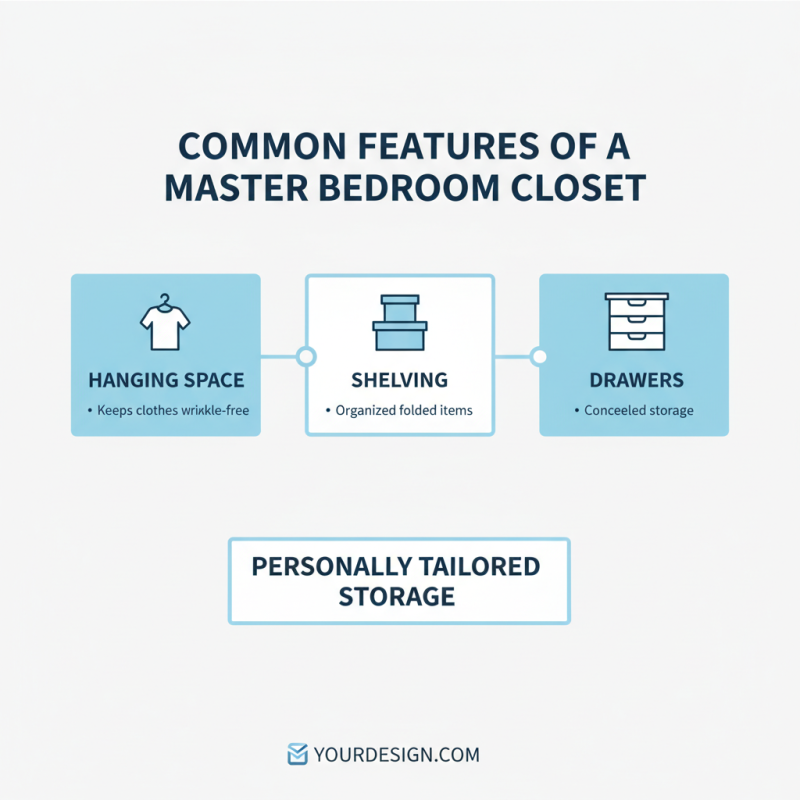
Common Features of a Master Bedroom Closet
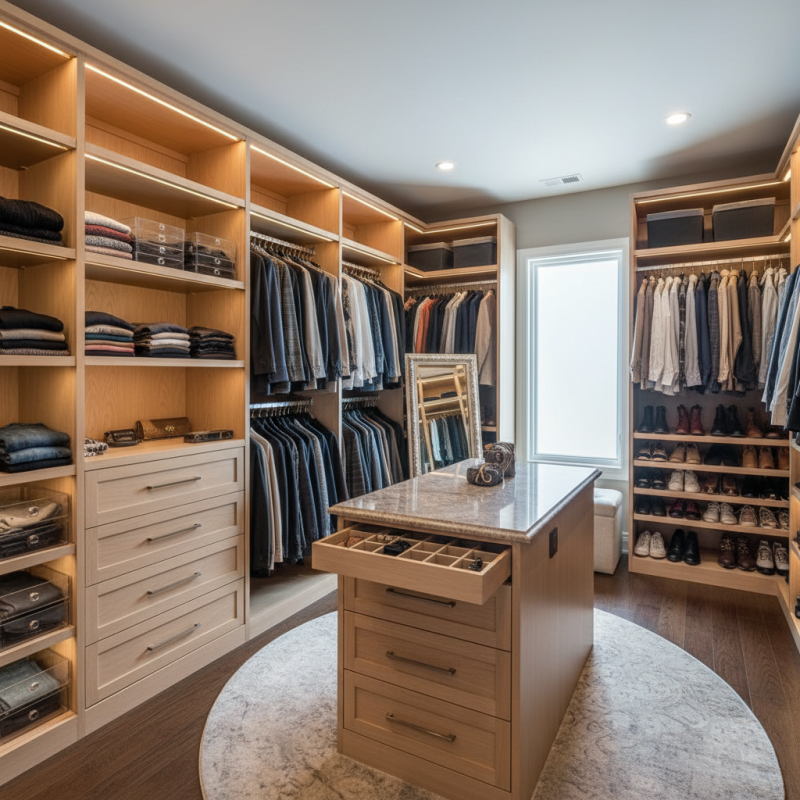
A master bedroom closet should be functional and stylish. Typically, it features hanging space, shelving, and drawers. These elements create a personalized storage solution. Hanging rods are essential for garments. They enable easy access while keeping clothes wrinkle-free.
Shelves add critical space for shoes and accessories. Some closets include built-in compartments. These little details can prevent clutter. A dedicated space for jewelry or ties shows thoughtful organization. Lighting is another critical feature. Proper illumination highlights the closet's contents and enhances visibility.
However, not all master closets are perfect. Some lack adequate space, making it difficult to keep things tidy. A cluttered closet can lead to stress. Assessing your needs and habits is vital. Regularly review what you truly use. You might find items long forgotten. This reflection can guide future organization and optimize your closet’s potential.
Creative Storage Solutions for Optimizing Closet Space
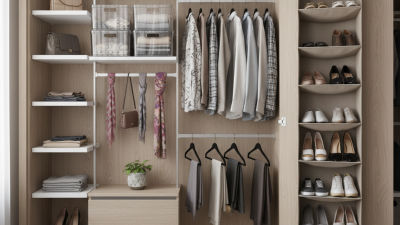
Maximizing your master bedroom closet can truly transform your space. Creative storage solutions are essential for organization. Start with adjustable shelving. This allows for customization based on your needs. It’s helpful for storing shoes, bags, and folded clothes.
Consider using vertical space effectively. Over-the-door organizers can hold accessories and smaller items. Hooks can hang bags or jewelry, keeping them visible and accessible. You can also add bins or baskets for seasonal clothing. Labeling these containers will save you time while searching.
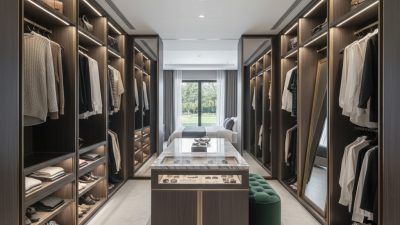
Mirrors inside the closet can create an illusion of more space. They also serve a practical purpose for checking outfits. However, keep an eye on clutter. A full closet can quickly become overwhelming. Regularly assess which items you truly need, and donate what you don’t wear. Embracing a minimal approach can lead to greater satisfaction in your closet design.
Organizational Tips for Maintaining a Clutter-Free Closet
A master bedroom closet often becomes a catch-all for various items. Organizing this space can feel overwhelming. However, with the right strategies, you can create a clutter-free environment that is both functional and stylish.
To start, declutter regularly. Take time each season to go through your clothes, shoes, and accessories. If you haven't worn something in over a year, consider donating it. This step helps clear space and makes it easier to see what you truly need.
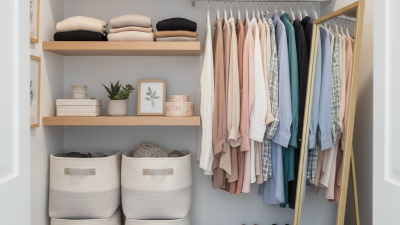
Utilize storage solutions wisely. Invest in bins or baskets to group similar items together. Clear plastic containers can help you locate seasonal clothes quickly. You might even label these containers to further streamline the process. Hanging organizers can also provide additional space for shoes and accessories, keeping them off the floor.
Lastly, maintain a daily routine. Spend a few minutes every day putting items back in their designated spots. This small effort helps prevent clutter from accumulating. Remember, a well-organized closet not only looks great; it also saves time when getting ready. Balancing organization with your personal style can transform your master closet into a serene retreat.
What is a Master Bedroom Closet and How to Optimize Its Space?
| Feature |
Description |
Optimization Tips |
| Hanging Space |
Area allocated for hanging clothes |
Use cascading hangers to save space |
| Shelves |
Storage space for folded items |
Install adjustable shelves for flexibility |
| Drawers |
Contain smaller items and accessories |
Label drawers for easy access |
| Lighting |
Illumination for visibility and aesthetics |
Use LED lights for clarity |
| Shoe Racks |
Designated space for footwear |
Stackable shoe boxes save floor space |
| Accessories Organizer |
Storage for jewelry, belts, etc. |
Use clear bins to see items easily |
Seasonal Closet Management: Rotating Clothes and Accessories
Managing a master bedroom closet effectively requires thoughtful seasonal rotations. Research shows that 65% of homeowners struggle with closet organization, often leading to wasted space. Seasonal rotation helps mitigate this issue, enhancing the functionality of your closet. Store winter coats and boots in bins during summer. Conversely, keep lightweight clothing accessible for ease during warmer months.
To maximize efficiency, categorize clothes by season and type. Labeling bins or sections can streamline retrieval. A recent report indicated that organized closets can save individuals an average of 15 minutes per day searching for items. Reflect on your habits and consider what pieces you genuinely wear. This approach helps eliminate unnecessary clutter.
Also, be mindful of how often you reassess your closet. Experts recommend a seasonal review. Trends change, and so do personal styles. If you find items you've not worn in over a year, it may be time to donate them. This not only frees up space but also fosters a more mindful wardrobe.