2026 How to Create a Simple Closet Design for Your Home?
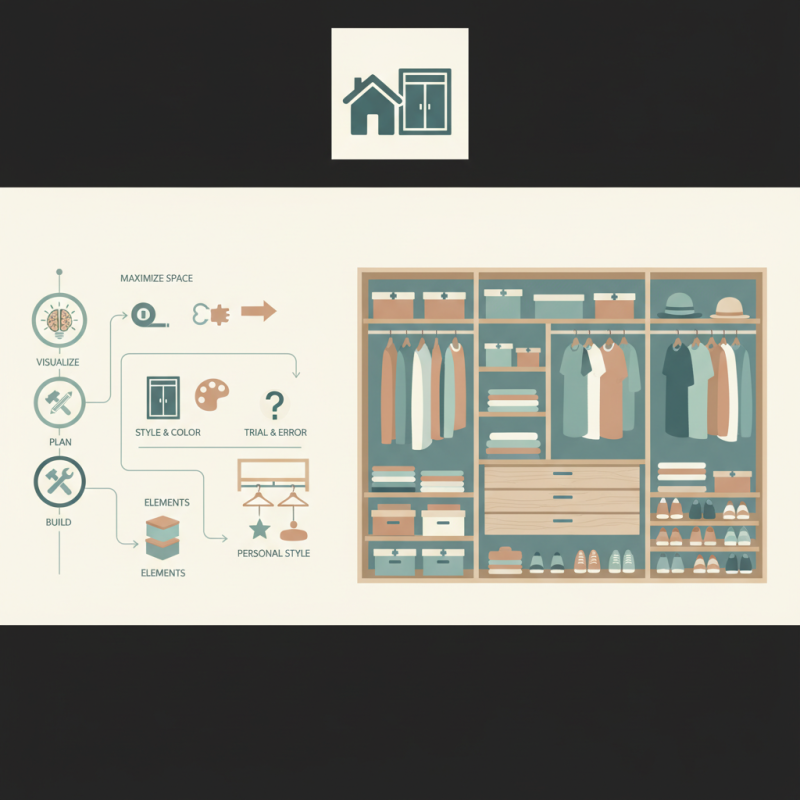
Creating a Simple Closet Design for your home can be a rewarding project. The right design maximizes space and enhances organization. People often struggle to visualize their ideal closet layout. Various factors play a role, such as the size and shape of your room, closet materials, and storage needs.
Consider your personal style and functionality. A Simple Closet Design should reflect who you are. Choose colors and finishes that resonate with you. However, remember that perfection isn’t always attainable. Sometimes, the best design comes from trial and error. You might need to adjust and rethink certain elements as you go.
Think about incorporating shelves, racks, and hooks. Each piece should serve a purpose. Visualize where each item will go. This helps in identifying potential problems early. A simple design should not feel cluttered or overwhelming. Allow room for reflection and improvement.
Understanding the Basics of Closet Design Principles
When designing a closet, understanding basic design principles is crucial. A well-organized closet enhances functionality and maximizes space. Research suggests that nearly 70% of homeowners underestimate their storage needs. Proper planning can help avoid costly mistakes.
Consider these tips for an effective closet design:
- Prioritize function over aesthetics. Make sure the layout suits your daily needs.
- Analyze the space. Measure carefully. Know what you have and what you need. A detailed inventory can prevent gaps in storage solutions.
- Utilize vertical space. Overhead shelves can be a game changer. Many experts advocate for including them in your plans.
Think about accessibility. If items are hard to reach, they may not be used. Over half of the users find themselves neglecting high shelves. Reflecting on
usability will improve overall satisfaction.
Don't forget lighting. Poor lighting can make even the best designs fail to shine. A survey noted that well-lit spaces increase usability by
50%. Keep it simple and efficient. An inviting closet encourages regular use.
Choosing the Right Location for Your Closet in the Home
Choosing the right location for your closet is crucial. According to a report by the National Association of Home Builders, closets are among the top five features homebuyers look for when purchasing a home. Therefore, positioning your closet effectively can enhance both functionality and resale value.
Consider high-traffic areas in your home. Bedrooms are the most common locations. They offer convenience, allowing for easy access to clothing. However, placing a closet near an entryway can also work well. This setup provides quick access to coats and shoes, making it more efficient for busy families.
Natural light is another factor to think about. A closet in a well-lit area can feel more spacious and inviting. Think about adding windows or mirrors to enhance brightness. There may be challenges with airflow or humidity in some spots. Use ventilation solutions if necessary, especially for closets housing seasonal clothing. Balancing practicality with aesthetics may take some trial and error.
2026 Closet Design Popularity by Year
Selecting Materials and Finishes for Your Closet
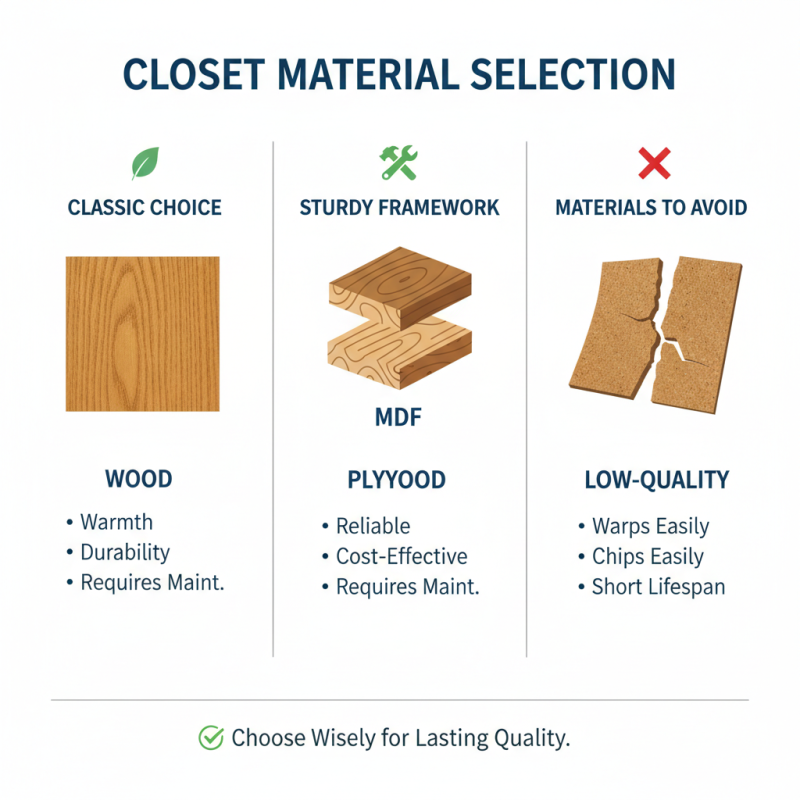
When designing a closet, material selection is crucial. Wood is a classic choice, offering warmth and durability. Plywood or MDF can create a sturdy framework. While these materials are reliable, they may require regular maintenance. Avoid using low-quality products; they can warp or chip easily.
Next, consider finishes. A smooth lacquer can lend a modern touch, while a matte finish gives a rustic feel. Neutral colors usually work well in various spaces. But bold hues can provide a unique flair. It's essential to visualize how these choices will mesh with your home.
Lighting is another factor. Incorporating LED strips can enhance the closet's look. But placement is key; poorly positioned lights can cast unwanted shadows. Mirrors can also create an illusion of space. Think about how it might influence the closet's functionality. Experiment with different setups before making permanent choices.
Planning the Interior Layout: Shelves, Rods, and Bins
Creating an effective closet design requires careful planning, especially for the interior layout. Shelves, rods, and bins play vital roles in maximizing space. Begin by assessing your storage needs. Take inventory of your clothes, shoes, and accessories. This will guide your design choices.
When it comes to shelves, make sure they are adjustable. Adjustable shelves allow you to customize their height based on your items. Consider using vertical space. A tall shelf can hold seasonal items or extra bins. Avoid overcrowding, which can lead to chaos. Label your bins for easy access and organization.
Rods should support your clothing types. A single long rod can be convenient for longer garments, while a double rod offers versatility. Think about your daily routines. Placing frequently used items at shoulder height can save time. Enclosed storage options, like bins, can conceal clutter. Reflect on whether your design fits your lifestyle; if not, reconsider your choices. Balancing aesthetics and functionality is key in creating your ideal closet space.
2026 How to Create a Simple Closet Design for Your Home? - Planning the Interior Layout: Shelves, Rods, and Bins
| Component |
Dimensions (inches) |
Material |
Storage Capacity |
Notes |
| Hanging Rod |
48 |
Metal |
10-15 garments |
Adjustable height |
| Shelves |
36 x 14 |
Wood |
15-20 pairs of shoes |
Can be customized |
| Bins |
12 x 12 x 12 |
Plastic |
Varies |
Stackable |
| Drawer |
24 x 16 x 8 |
Metal with wood front |
Undergarments and accessories |
Soft-close feature |
Incorporating Personal Style and Functionality into Your Design
Designing a closet that reflects your personal style can be both challenging and rewarding. Start by assessing your needs. What items do you own? Think about clothing, accessories, and shoes. Consider how often you wear each piece. This will guide your design choices. A closet should be functional, yet also a personal haven.
Choose colors and materials that resonate with you. Soft pastels might evoke calmness. Bold colors can energize. Integrate shelving that showcases favorite items. Use a mix of drawers and open space to balance visibility with organization. Remember, perfection isn't essential. Sometimes, a cluttered corner reveals character. A little mess can add life to your design.
Reflect on practical storage solutions. Can you repurpose items you already own? Use baskets to contain smaller objects. Hooks might display bags and accessories beautifully. Include an area for seasonal items, too. Adjusting your closet over time is natural. Embrace changes as your style evolves. This process can be messy but inspiring.