China Top Beautiful Kitchen Cabinets Trends and Inspirations?
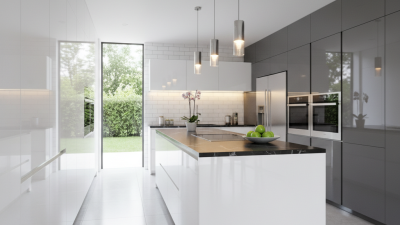
In the quest for stunning interiors, beautiful kitchen cabinets stand out as a focal point. The right cabinets can transform a kitchen into an inviting space. They can reflect personal style, combining functionality with aesthetics.
Today, trends in kitchen cabinet design are evolving rapidly. Sleek lines, bold colors, and innovative materials are becoming popular. Many homeowners are opting for sustainable options. These choices encourage eco-friendly living while embracing modern design. However, selecting the perfect cabinets can be overwhelming.
While beauty is essential, practicality cannot be overlooked. It's crucial to balance design with usability. Positioning and layout impact how beautiful kitchen cabinets function. Many designs may look appealing but lack adequate storage or accessibility. Reflecting on these elements ensures a kitchen is not only beautiful but also serves everyday needs efficiently.
Top 5 Popular Kitchen Cabinet Materials in China for 2023
In 2023, kitchen cabinets in China showcase an exciting mix of materials. The top five popular materials emphasize both aesthetics and functionality. First, solid wood remains a favored choice. Its natural grain adds warmth to spaces. However, wooden cabinets need consistent care to avoid warping or damage.
Next, MDF is widely used for its versatility. This engineered material can be painted in various colors, enhancing design options. Yet, moisture exposure can be a concern, limiting its use in humid kitchens. Plywood is another excellent alternative. It offers sturdiness and can handle heavy loads well. Still, the finish may wear off over time if not maintained properly.
Laminate cabinets are also in vogue. They provide countless designs and textures, making them appealing. Yet, scratches may appear, compromising their look. Lastly, metal cabinets emerge as a unique choice, adding a modern edge. However, they can be prone to denting and rust if not protected correctly. Each material has its strengths and weaknesses, making careful selection crucial.
Top 5 Popular Kitchen Cabinet Materials in China for 2023
Current Color Trends in Chinese Kitchen Cabinet Design
The color palette of kitchen cabinets in China is evolving rapidly. Many homeowners are now leaning towards softer, muted tones. Pastel shades, like powder blue and light pink, create a calming atmosphere. These colors soften the kitchen's overall look, making it feel more inviting. However, they may not always be practical for every style.
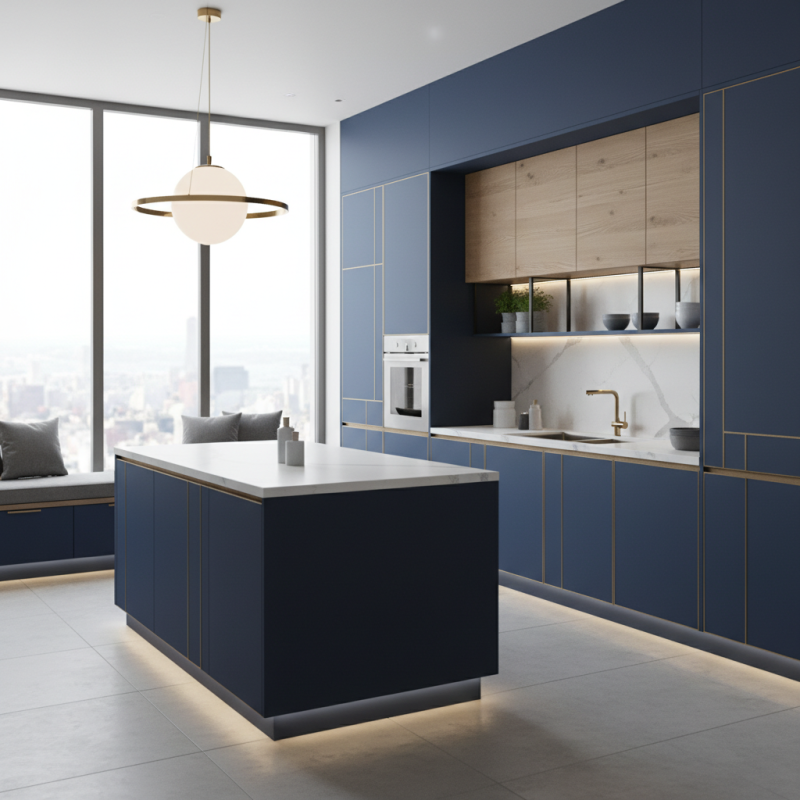
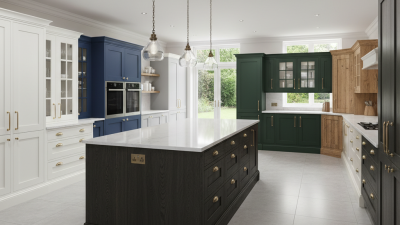
Deep hues, such as forest green or navy, are gaining popularity as well. These colors add depth and sophistication. They work wonderfully with natural wood accents. However, they can sometimes feel heavy in smaller spaces. Light fixtures must be chosen carefully to balance the dark tones.
While the color trends are inspiring, they do come with challenges. Maintaining lighter colors can be difficult in a busy kitchen. Dark colors may require more thoughtful design to avoid a claustrophobic feel. Each choice reflects personal style and needs. Finding the right balance is essential yet often requires reflection and adjustment.
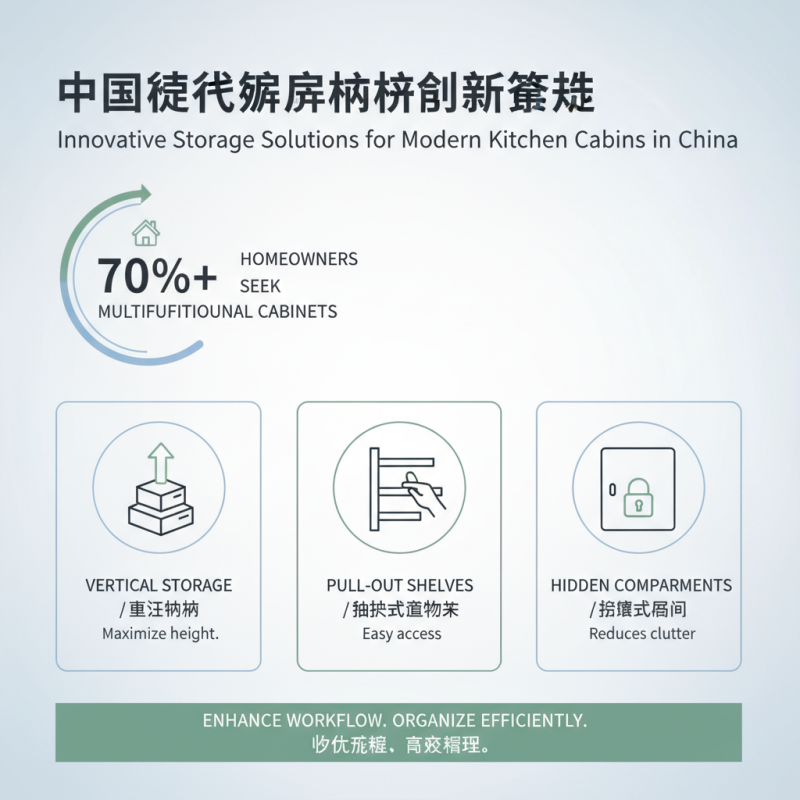
Innovative Storage Solutions for Modern Kitchen Cabinets in China
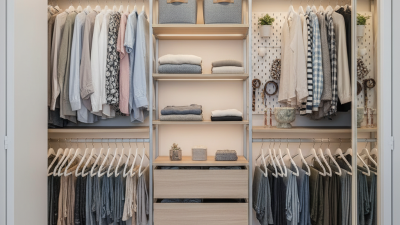
In the modern kitchen design landscape, innovative storage solutions are transforming how we utilize space. Recent reports indicate that over 70% of homeowners seek multifunctional cabinets that maximize efficiency. This trend embraces vertical storage, pull-out shelves, and hidden compartments. Effective organization reduces clutter and enhances workflow.
A remarkable idea is the use of modular cabinetry. Adjustable shelves can cater to various kitchen sizes and personal needs. Some consumers still grapple with balancing style and function. They may prioritize aesthetics but risk compromising practicality. Thus, designers are challenged to create visually appealing yet highly functional storage options.
Additionally, sustainable materials are gaining momentum. Studies suggest that eco-friendly cabinets resonate with 65% of new homeowners. However, the market still faces hurdles. Awareness of sustainable options remains inconsistent. Not everyone knows how to choose wisely. Future design insights must address this gap while continuing to innovate.
Impact of Smart Technology on Kitchen Cabinet Functionality
The integration of smart technology into kitchen cabinets is reshaping functionality. Smartphones and home assistants control lighting, temperature, and even storage reminders. According to a recent report by the National Kitchen and Bath Association, 70% of homeowners desire smart features in their kitchens. This shows a growing trend towards convenience in our daily cooking routines.
Imagine cabinets that know when supplies are running low. Some models can even suggest recipes based on available ingredients. This level of interaction offers efficiency but introduces a new layer of complexity. Users must adapt to technology that can sometimes falter. A simple app malfunction can lead to missed grocery alerts or unresponsive lighting.
**Tips:** Consider choosing cabinets that blend technology with manual features. This could serve as a backup when tech glitches occur. Also, ensure adequate Wi-Fi coverage in your kitchen. Without a stable connection, even the best smart cabinets may fail to deliver their promised functionality. Embracing these innovations can elevate your cooking experience, but staying mindful of their limitations is crucial.
China Top Beautiful Kitchen Cabinets Trends and Inspirations - Impact of Smart Technology on Kitchen Cabinet Functionality
| Trend |
Description |
Impact of Smart Technology |
| Minimalist Designs |
Sleek surfaces and clean lines with a focus on functionality. |
Smart storage solutions that hide clutter, enhancing the minimalist look. |
| Eco-Friendly Materials |
Use of sustainable wood and recycled materials. |
Smart technology that monitors energy usage for eco-conscious cooking. |
| Bold Colors |
Vibrant hues that make a statement in kitchen design. |
Smart lighting that can change according to mood or time of day. |
| Mixed Materials |
Combination of wood, metal, and glass for a modern aesthetic. |
Integration with smart appliances that complement various materials. |
| Open Shelving |
Exposed storage for easy access and display. |
Smart shelving units that organize and recommend recipes based on stored items. |
Sustainable Practices in Kitchen Cabinet Manufacturing in China
Sustainability is a significant trend in the Chinese kitchen cabinet industry. Many manufacturers are embracing eco-friendly materials. Bamboo and reclaimed wood are popular choices for modern designs. These materials are biodegradable, reducing environmental impact. The use of low-VOC paints is also gaining traction. This choice lowers air pollution, making homes healthier.
However, not all practices are perfect. Some manufacturers still rely on non-sustainable resources. This inconsistency raises concerns among environmentally conscious consumers. It is crucial to ensure transparency in sourcing materials. Certification for sustainable practices can help consumers make informed choices. As awareness grows, the demand for sustainable kitchen cabinets is likely to increase.
Innovative design should not only focus on aesthetics. Functionality and sustainability must go hand in hand. Kitchen cabinets can be functional yet beautiful. Clever storage solutions minimize waste and keep spaces organized. Balancing design with eco-friendly practices requires ongoing effort from manufacturers. The journey toward sustainability is still unfolding in this vibrant industry.